
Ross R. James
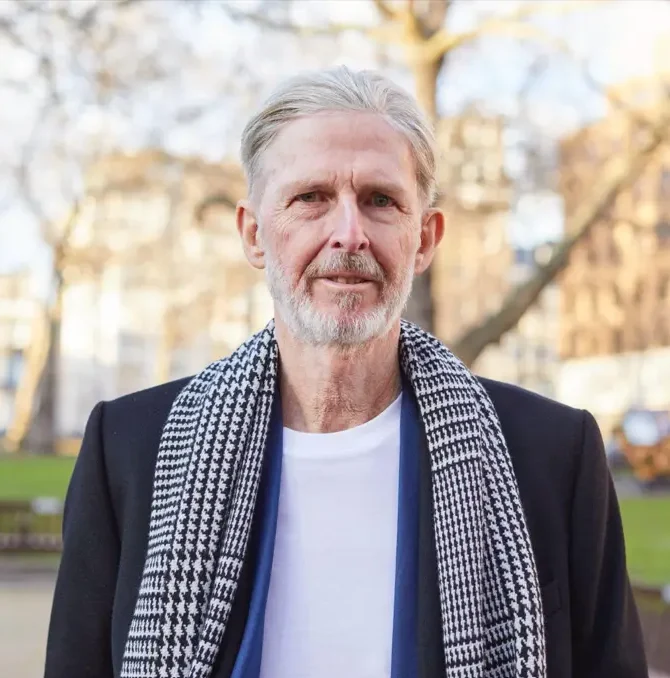
Ross R. James: Architect of Sustainable Aviation Revolution
Ross R. James stands at the forefront of sustainable energy innovation as the Executive Chairman and Co-Founder of Agri-Biofuels Global Ltd (ABGL). His leadership focuses on transforming biological resources into high-value fuels that address global challenges in the aviation and maritime sectors. Through strategic vision and technological expertise, James drives projects that balance environmental goals with economic growth, particularly in underserved regions.
The Spark of Inspiration
Ross R. James entered the field of sustainable aviation fuels driven by a deep awareness of energy security and environmental needs. He observed the pressing issues of climate change and reliance on fossil fuels, which highlighted the limitations of conventional energy sources. This realization led him to explore ways to convert abundant biological materials into viable alternatives for powering aircraft. Regions such as India’s Northeast, rich in natural resources, presented opportunities to create fuels that support aviation while fostering rural development.
James’s motivation extended beyond fuel production to broader societal benefits. He aimed to enable developing areas to use their assets in responsible ways that promote sustainability. Collaborating with co-founder Deependra Mehta, James benefited from Mehta’s insights into the Indian market and regulations. Their partnership emphasized technological progress to build a robust foundation for the company. This early choice to prioritize advanced biofuels shaped subsequent strategies, including technology acquisitions and project designs. The focus ensured projects achieved strong financial outcomes alongside positive social effects.
Founding Agri-Biofuels Global Ltd
The establishment of Agri-Biofuels Global Ltd marked a pivotal commitment to innovative fuel solutions. James and Mehta envisioned a company that integrates environmental responsibility with economic viability. They selected cutting-edge CAT-HTR technology as the core of their operations, securing exclusive rights for its use in India. This decision positioned ABGL to lead in producing sustainable aviation fuel from non-food feedstocks. The company’s approach emphasized scalability and regional relevance, targeting areas with untapped biomass potential.
James’s background in energy and development informed the company’s direction. He recognized that traditional methods failed to meet modern demands for low-carbon alternatives. By focusing on supercritical water processes, ABGL could achieve high efficiency in fuel conversion. Mehta’s role in bridging local knowledge with global standards strengthened their efforts. Together, they crafted initiatives that align with international climate goals while supporting local economies. This foundational strategy continues to guide ABGL’s expansion and partnerships.
Entering the Execution Phase
James describes his current career stage as the execution and scale chapter, where concepts become large-scale operations. After extensive preparation in technology and alliances, ABGL advances its flagship project in Manipur. This initiative represents India’s premier commercial sustainable aviation fuel facility, valued at ₹4,274 crore. The project not only advances business objectives but also serves as a blueprint for regional transformation worldwide.
A key milestone occurred when ABGL obtained licensing for CAT-HTR technology and pinpointed Manipur’s bamboo supplies as optimal inputs. This alignment of technology, resources, and governmental backing shifted plans into concrete actions. Mehta played a vital role in engaging stakeholders across state and national levels. The project’s projections include 38-42% internal rate of return, over 10,000 job creations, and an annual reduction of 5.4 million tonnes of carbon dioxide. These elements confirmed the venture’s potential for profound change.
Revolutionizing Biomass Collection
The Manipur project stands as James’s most notable accomplishment, featuring a dual CAT-HTR setup. It will generate 210,000 tonnes of sustainable aviation fuel and 90,000 tonnes of sustainable maritime fuel each year. Beyond production capacity, the innovation lies in the mobile chipping system for biomass handling. James and Mehta designed this after thorough on-site studies and community consultations.
Traditional methods demanded 5,600 manual workers for collection tasks. The new system uses tracked Först XR8D chippers at harvest locations, reducing the need for 630 trained operators. Each operator receives ₹8 lakh annually, exceeding standard local earnings. This shift enhances efficiency, safety, and income levels without sacrificing employment. Validation from global finance bodies and residents underscores its value. James finds deep satisfaction in solutions that advance technology while uplifting communities.
Overcoming Professional Challenges
Challenges in the field include regulatory navigation, funding acquisition, and technical hurdles. James maintains momentum through the significant influence of ABGL’s initiatives. The work proves that large-scale sustainable development yields economic benefits. Aviation requires 300-450 million tonnes of sustainable aviation fuel by 2050 for net-zero compliance, yet supply remains under 1 million tonnes. This disparity fuels James’s determination to bridge the gap.
Mehta highlights the personal stories behind the numbers, such as benefits to over 20,000 families in Manipur. Farmers transition to technical roles, and bamboo forests are sustained through managed harvesting. The technology cuts aviation emissions by 80% versus fossil fuels. In economically disadvantaged areas, this creates pathways to prosperity. The blend of climate urgency and developmental innovation sustains James’s daily commitment.
Redefining Success Metrics
James’s view of success has shifted over time from basic business achievements to comprehensive impacts. Early goals centered on technology access, funding, and profitability. Now, success encompasses systemic changes and enduring transformations. He measures it by the potential replication of the Manipur model across Northeast India and further. This approach allows regions to advance beyond outdated industrial patterns.
True achievement integrates sustainability, prosperity, and fairness. Metrics include the ₹4,850 crore yearly economic boost in Manipur, carbon reductions, and quality job provisions. James and Mehta aim to create a lasting institution through ABGL. The company sets benchmarks for fuel innovation and responsible growth. Their efforts inspire entrepreneurs to view climate solutions as prime business prospects.
Addressing Misconceptions in Biofuels
Many overlook the intricate demands of viable, sustainable aviation fuel production. Observers simplify it as plant-to-fuel conversion, ignoring the coordination of engineering, supply chains, and markets. CAT-HTR operates under extreme conditions of 350-374°C and 3,500 PSI, requiring decades of refinement. James wishes for greater recognition of this engineering sophistication.
ABGL’s supply chain redesign deserves more attention. It employs mobile chippers, GPS logistics, and expert forest practices instead of manual labor models. This elevates rural work to professional standards. Mehta stresses that sustainability enhances returns, with the project achieving 38-42% IRR through optimized processes. Investors gain proof that financial and ethical goals align seamlessly.
Balancing Work with Personal Principles
Away from professional duties, James prioritizes education and skill-sharing. He connects with academic institutions to update his knowledge and motivate future energy leaders. With Mehta, he launched programs for young Indian professionals in engineering and science. These initiatives build capacity essential for sustained progress.
James holds strong interests in regenerative agriculture and permaculture. These shape ABGL’s sustainable sourcing methods. Insights into ecosystem renewal inform bamboo management that boosts forest health. His lifestyle choices, like home renewables and mindful consumption, reinforce industrial commitments. Such principles ensure decisions weigh ecological and social outcomes against short-term gains.
Guidance for Future Leaders
James advises aspiring professionals to pinpoint overlaps between global issues and personal strengths, then dedicate themselves fully. Incremental changes fall short; bold addresses to critical problems matter most. Select challenges that hold economic weight and ethical importance. For James, this meant rethinking aviation fuels with Northeast India’s resources at the center.
Commitment demands technical depth, stakeholder savvy, and setback resilience. Strong partnerships, like with Mehta, amplify success. Solutions must merge profits with purpose. The 38-42% IRR shows sustainable paths outperform conventional ones. This mindset not only establishes ventures but reshapes sectors for a greener era.
Vision for Broader Impact
ABGL’s Manipur venture launches a series of expansions using proven elements. Replication in other bamboo-abundant states could yield millions of tonnes of sustainable fuel yearly. The company builds more than facilities; it validates leadership roles for developing nations in energy shifts. Climate pressures, policies, and tech readiness define this pivotal time for aviation fuels.
By 2030, full operations will generate ₹5,606 crore in revenue while uplifting thousands. This demonstrates net-zero paths as technically and financially superior. James’s collaboration with Mehta and the team exemplifies needed entrepreneurship. Their narrative encourages the pursuit of ambitious global solutions. ABGL’s headquarters at 167-169 Great Portland Street, London, supports these international endeavors. The Manipur site in Northeast India anchors the ₹4,274 crore investment.
Ross R. James’s contributions extend the boundaries of sustainable business. His focus on integrated impacts sets a standard for future innovations. Through ABGL, he proves that addressing planetary needs drives unparalleled growth. The journey underscores the power of aligned vision and execution.